A reflection on my year-long learning experience
November 20, 2025 | Angela Davis
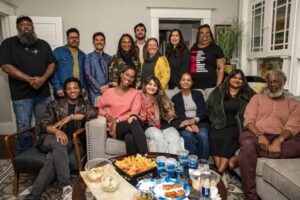 On September 17, 2025, MCF launched the long-awaited Goodman Nonprofit Fellowship Program. The inaugural cohort of executive directors, representing large, small and grassroot nonprofit organizations in our community, went through a competitive application process. The energy and excitement that day were palpable.
As I observed the synergy in the room, it made me reflect on the year-long followship I completed last year with The Funders Network (TFN). TFN’s mission is to leverage philanthropy’s unique potential to help create communities and regions that are sustainable, prosperous, healthy and just for all people. TFN is committed to helping funders understand and address racism, economic inequality and the imbalance of power, while also engendering community-driven solutions and amplifying the expertise and experiences of those communities who are least heard.
The Application Process
Since becoming Director of Grantmaking, I’ve wanted to connect with other funders and really understand the challenges and opportunities they face in their communities. I’d always heard great things about TFN and even had a former colleague who went through the program. I was a little nervous about applying for the TFN PLACES (Professionals Learning About Community, Equity and Sustainability) Fellowship.
Applicants need their organization to commit to budgeting the cost and time allowing them to go on four site visits during the year-long fellowship. The application process includes making a video explaining how and why the applicant will benefit from being a part of the fellowship. It is a competitive and time-consuming program and I know how fortunate I was to receive the support of MCF to apply.
I was one of 15 funders chosen across North America. I was in total shock and very humbled. My cohort included fellow funders from private, family, healthcare and community foundations from Vancouver to St. Louis, California to New Orleans to here in the Midwest.
First Stop: Cleveland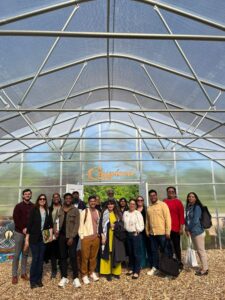
Our first in-person gathering was in Cleveland, OH. I had no idea Cleveland had so much to offer. We learned about the history of the city. Specifically, the Forgotten Triangle and the Kinsman neighborhood in the southeastern part of Cleveland. A once booming industrial and commercial hub that faced decades of disinvestment, the site of illegal dumping and neglect. It was inspiring to hear how the neighborhood stepped up and banded together when people realized no one was coming to save them − they had to save their own communities.
One example of how they did this is Rid-All Green Partnership. A polluted piece of land has been transformed into a 15-acre urban farm that is targeting food insecurity in the community with a community kitchen, and composting, environmental and Urban Agriculture Training programs. I left Cleveland with a new respect of sometimes forgotten urban areas made up of people of color being that are being transformed and given new life.
Next Stop: Mile High City
Our next gathering was in Denver, CO. I have always been a lover of history and was taken back by our trip to History Colorado Center, particularly learning the history of the Sand Creek Massacre and the horrific events that occurred in Kiowa County in 1864.
This exhibit struck me to the point where I had to visit the museum again before I left Denver. The Sand Creek Massacre exhibit told a harrowing story through multimedia created by contemporary and historic Cheyenne and Arapaho members. It recounted how broken treaties, fears of white settlers and troops diverted by the Civil War culminated in the massacre of an estimated 230 people — mostly women, children and the elderly — and accelerated the dispossession of Cheyenne and Arapaho people from their ancestral lands on Colorado’s eastern plains.
While the exhibit conveyed the deep, lasting pain of this violence, it also lifted up the hope, promise and enduring connection that Cheyenne and Arapaho people continue to have to Sand Creek. We had some powerful conversations during this visit about how it affected all of us in different ways. The generational trauma runs deep and continues to have a lasting impact on many communities.
Stop Three: Toronto
 Oh Canada! I was so looking forward to going to Toronto! It was so clean, everyone was so nice and so open to sharing with us. My memories of Toronto include spending time at the Native Canadian Centre of Toronto. This site visit highlighted Indigenous practices, philanthropic reform, community organizing and more.
Our experience began at the Native Canadian Centre of Toronto, where we were welcomed into a space that houses the largest collection of Canadian Indigenous artwork in the city. There, we learned about Indigenous history, traditional ceremonies and practices, and the many ways the organization has supported and strengthened its community for decades.
We also explored the impact of community land trusts through the Kensington Market Community Land Trust and learned about local movements advancing worker rights and justice. These powerful efforts — led by farm workers, care workers, international students, undocumented people and frontline essential migrant workers — are being organized through the Workers’ Action Centre.
Last Stop: Sunny Sacramento
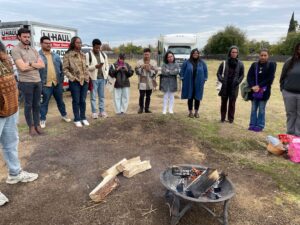
Sacramento, CA, was the last stop of our fellowship journey. We visited the Indigenous Healing Collaborative and Youth Forward’s Tribal Youth Garden. We learned about healing our bodies, environment and communities. Thinking of our ancestors as we took part in a scared indigenous burn, I could feel my mother, my mother’s mother, and those strong women that came before me — those that paved the way for me to have to life I am living. It made me pause to remember:
- Remember where I come from
- Remember happiness
- Remember my grandparents
- Remember the struggle of the ancestors
- Remember love
- Remember to fight for those with no voice
- Remember to live
- Remember to give back
- Remember I am worthy
- Remember to breathe
Reflection on PLACES
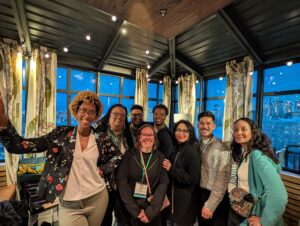
I met a group of people from the philanthropic sector that are not only colleagues but friends. I knew after that first site visit that I found “my people;” people I can call on. And yes, we still stay in touch. Eight of us attended the TFN conference in Baltimore, MD, this past March and it was like reconnecting with family.
How have I changed? What did I bring back?
- Transformation not transactions
- No strangers, we just haven’t met yet
- What brings me joy in my work? What gets in the way of my joy?
- Having courage to speak up
- The work goes beyond the check
- Showing up, being a welcoming space for people
- Trauma shows up in different ways
 Do I always practice these? No, I’m a work in progress!
The biggest takeaways I learned during my fellowship? You don’t have to agree on everything. Healthy debate is a good thing. Find that circle of people I can call on when I just need someone’s opinion or maybe just want someone who will listen.
Most importantly, find your people. I am grateful to have found mine in the 2024 PLACES Cohort.